
RBI insists-Customer First!

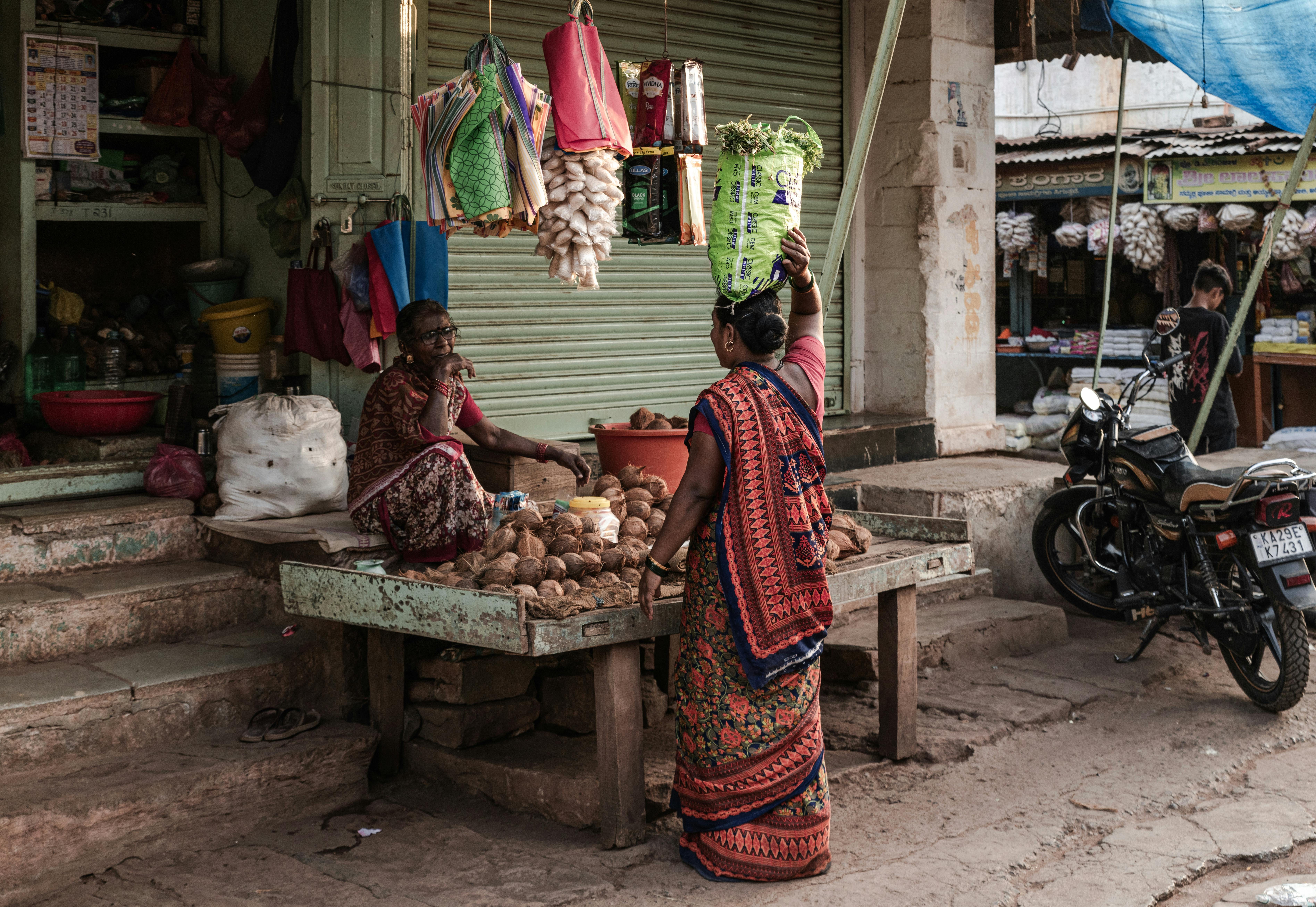
One of the reasons behind low usage of banking and other financial services in India is the diffidence that first-time low-income users face when dealing with the system; many do not feel assured that they can easily raise concerns or get help. A path breaking study by MicroSave Consulting for the Department of Financial Services has tracked the experiences of low- and moderate-income users when they tried to resolve grievances related to financial services. The message is clear - grievance redress for most Indians is “difficult, confusing, and unreliable”. The findings from this study are a must-read for all financial service providers as there are clear recommendations on strengthening the grievance redressal mechanism to serve the bottom of the pyramid. Until this trust gap is fixed, true financial inclusion will remain an elusive goal.
So it is heartening to see that the change has begun right at the top - Tamal Bandopadhyay has called out a “cultural shift” at the RBI, moving from compliance monitoring to a strong consumer focus. In step with this shift, the Integrated Ombudsman Scheme 2026 rolls out from July, aiming to resolve complaints effectively and speedily - read an explainer from Hiral Thanawala. Meanwhile, as announced in the December Monetary Policy, RBI’s nationwide two-month campaign to clear pending customer grievances took off on January 1st. But the messaging goes further than a campaign. At the Third Annual Global Conference of the College of Supervisors, the RBI Governor spoke of customer-centricity as the “cornerstone of a sustainable and resilient financial system”. Deputy Governor Swaminathan J asked supervisors and top management to have a sharper customer-lens and ensure well performing grievance frameworks. Hope this shift is sustained and percolates through all levels of the financial system.
A promising product extending financial inclusion to the masses is Credit Line on UPI, which has been in the news recently. The Prime Minister launched PM SVANidhi Credit Card, a UPI linked interest-free credit revolving scheme for street vendors. But as a commercial product, there has been very little traction, even though the RBI opened this space in 2023 to SCBs and a year later to Small Finance Banks. Shayan Ghosh and Anshika Kayastha have delved into the multitude of reasons cited for the slow adoption - lenders being cautious on scaling up unsecured short-term credit, overlap with credit card business etc.- and NPCI is reportedly talking to lenders to extend small ticket UPI-linked credit lines. As Arundhati Ramanathan notes, this can bring significant benefits to low-income households, and data from the RBI’s Financial Stability Report on the improved household finances indicates this is a good time for such a product to take off. She does warn that there is the risk of easy money chasing borrowers, which the RBI will be on the watch for. So while there is a clear need for this product and the timing is right, with current lenders showing little interest, will other players be allowed to roll out UPI-linked credit lines, with strong guardrails in place? It’s wait and watch in this space. As always, RBI will be treading the balance between innovation and customer protection.
This month, we have highlighted two pieces: a) Osborne Saldanha has written about his experiences attending RBI’s open house i.e. Finquiry, in Mumbai, where the Fintech Department had a constructive dialogue with industry stakeholders. His takeaway - The regulator is clearly willing to have an open channel with the fintech ecosystem. There should be more participation from industry and b) In the Business Standard, Sumita Kale has spelt out what a revamped Financial Inclusion Index should look like. She emphasizes the need for RBI to also work on a meaningful financial well-being index, since financial inclusion is not an end, it is the beginning of financial empowerment for the most vulnerable sections of society.
Do read more news and views in our curated list below. Please also follow our Indicus Centre for Financial Inclusion page on LinkedIn to continue the conversation.
Elisabeth Rhyne, Juan Carlos Izaguirre, Mitzi Perez Padilla, Frances Sinha and Daniel Rozas, CGAP, delve into customer-centric business models and approaches to consumer protection and responsible finance that have emerged in microfinance, highlighting the need to focus on customer outcomes – not just procedural compliance.
Anand J., Moneycontrol, reports: Union Budget 2026-Payment companies push for bigger subsidy, return of MDR.
Kalpana Ajayan, Women’s World Banking, explains how Budget 2026 can accelerate women-led financial inclusion across India.
Jiji Mammen, Sa-Dhan Association, writes on the bigger picture for microfinance - the cost of funds and operational course correction measures.
Kiran Limaye, deAsra Foundation, writes a detailed data piece on the two worlds of small business credit for Nano Enterprises.
Ajinkya Kawale, Business Standard, reports: TRAI’s 1600-number mandate to curb fraud may raise lenders’ collection costs and push NBFCs and banks back towards field-based debt recovery.
Kalpana Ajayan, Womens World Banking, explains why gender intentionality must be built into financial inclusion strategy.
Ojasvi Gupta, Financial Express, explains: The Indian government is exploring a mandatory “Kill Switch” for banking and UPI apps to stop real-time financial fraud, including “digital arrests.
ACCESS Development Services- Inclusive Finance India Report 2025, edited by Ramesh Srivatsava Arunachalam, was released this month.
Sonal Jaitly, MSC (MicroSave Consulting), writes on women’s collectives transforming small opportunities in India into sustainable enterprises, strengthening livelihoods, local markets, and rural economies through collective action, access to finance, and supportive public systems.
Pratik Bhakta, The Economic Times, explains how public sector banks are entering QR-code merchant payments, challenging fintechs like Paytm and PhonePe.
Karina Broens Nielsen, Sophie Sirtaine and Patrick Spaven, CGAP, delve into the concept of financial health, a critical bridge between financial inclusion and positive outcomes for people and economies.
Ajinkya Kawale, Business Standard, reports: The Reserve Bank of India is likely to consider introducing a licensing regime for corporate business correspondent (BC) channels, a move that would bring currently unregulated fintech companies operating in the segment under the regulator’s direct oversight.
Sadaf Sayeed, Muthoot Microfin, talks about rethinking microfinance.
Ram Rastogi writes an interesting post on the way ahead with NPCI’s new Mandate Portal.
Outstanding coverage of RBI's shift toward customer-centricity. The trust gap you mention is the real bottleneck for financial inclusion. I saw this firsthand when helping a small NGO in rural Maharashtra, where people avoided banks not because of access issues but becasue of past grievance experiences. The Integrated Ombudsman Scheme could be transformative if implementation matches intent.